
The impact of rising fuel and electricity prices on the cost of corporate mobility
The impact of rising fuel and electricity prices on the cost of corporate mobility
Rising fuel and electricity prices are among the biggest risks affecting corporate budgets today. For CFOs and fleet managers, it is no longer enough to just "keep costs under control" - they need to actively work with energy price scenarios and look for flexible mobility solutions. In this article, we look at how changes in fuel and electricity prices affect the cost of corporate mobility, what this means for both internal combustion and electric vehicles, and what options companies have to minimise the risk of price increases.
Why energy is a key driver of corporate mobility
Running a company car is not just about paying the lease or rental payments. Total Cost of Ownership (TCO) includes:
- Fuel or electricity,
- service and maintenance,
- insurance,
- tyres,
- administration and internal people's time,
- a decrease in the residual value of the vehicle,
- possible fines and over-consumption.
However, fuel and energy are among the most variable items. Even relatively small fluctuations in fuel or electricity prices can add up to tens of thousands of euros over the course of a year for a larger fleet. It is therefore important that companies:
- know the real consumption of their vehicles,
- have a reporting and cost control system in place,
- work with energy price scenarios,
- be able to quickly adjust the composition of the fleet according to the situation.
Fuel and electricity price developments: what companies should monitor
The evolution of energy prices in recent years has shown that stability is the exception rather than the rule. Both fuel and electricity prices are influenced by a combination of geopolitics, regulation, emissions policies and the situation on the financial markets. For companies, this leads to a number of practical recommendations:
What to watch for in fuel prices
- The development of petrol and diesel prices - particularly important are the average prices in and around the country and their long-term trend.
- The euro/dollar exchange rate - oil is traded in dollars and the exchange rate has a significant impact on the final fuel price.
- Tax burden and excise duties - changes in taxes can quickly shift fuel prices.
- Fleet structure - proportion of high fuel consumption vehicles, older vehicles, fuel type.
What to watch for in electricity prices
- The evolution of the market price of electricity for businesses - for EVs and plug-in hybrids, this is directly the cost of the 'fuel'.
- Distribution charges and tariffs - significantly influence the resulting price per kWh.
- Own source options (e.g. rooftop PV, night-time charging on low tariffs).
- Method of charging - the difference between home, business and public charging can be multiple in cost.
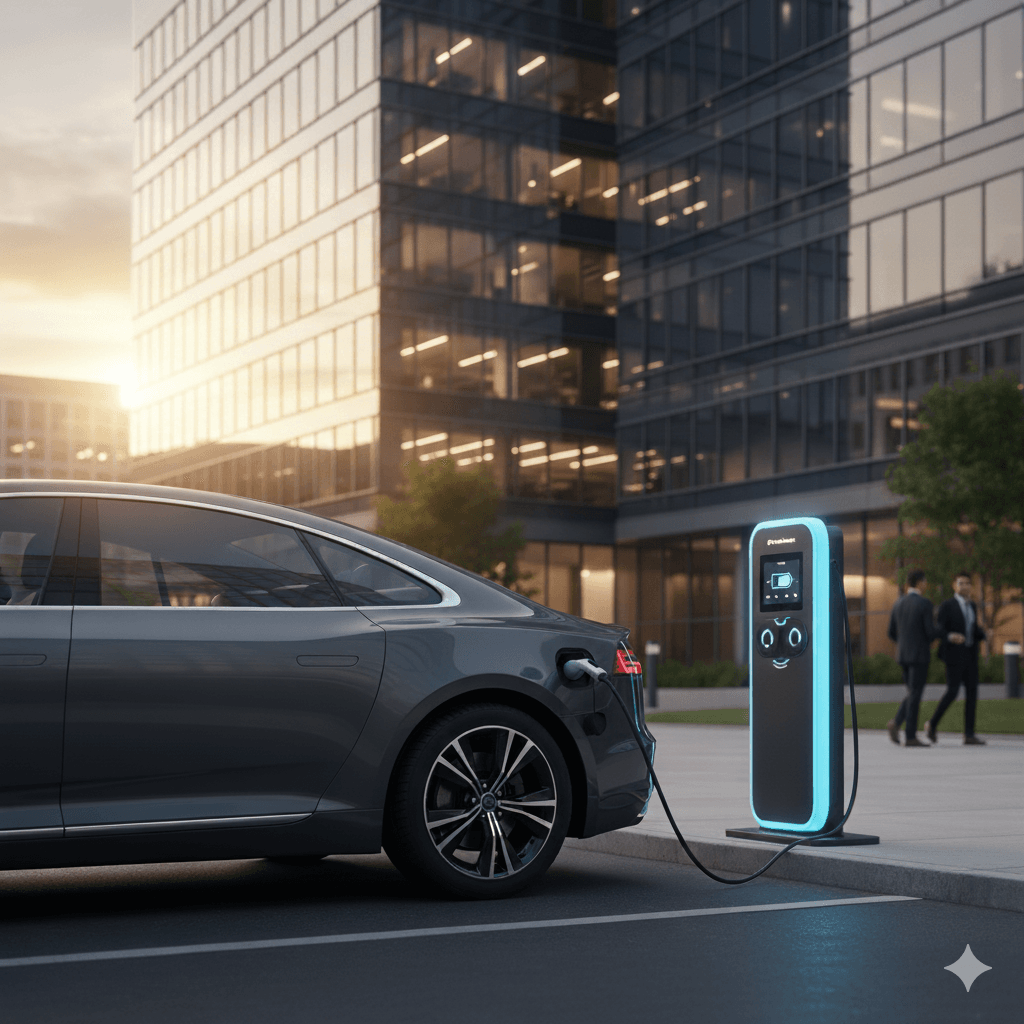
How rising fuel and electricity prices affect the TCO of company cars
Internal combustion vehicles: when every litre makes a difference
For internal combustion engine vehicles, there is a direct link between fuel price, consumption and mileage. If a company:
- operates many cars in long-distance driving mode,
- has a higher proportion of vans and SUVs,
- does not have set driving style and refuelling rules,
any rise in petrol or diesel prices will be reflected almost immediately in the company's costs. A 10-20% difference in fuel price for a fleet of tens to hundreds of vehicles is a significant burden.
Key questions for the CFO:
- How many euros does the company spend annually on fuel?
- What is the average km per vehicle and average consumption?
- Do we have fueling limits and rules (card systems, approvals, reporting)?
Electric cars and plug-in hybrids: cheaper "fuel" but not in all circumstances
At first glance, electromobility looks like a clear winner, as the cost per 100 km can be lower than with combustion engines when charging is optimal. In practice, however, more variables come into play:
- Electricity prices for businesses - with an inappropriate tariff or a high unit price, the difference to an internal combustion car can drop significantly.
- The way the vehicle is used - lots of highway driving at high speeds means higher consumption and more frequent charging.
- Public charging vs own infrastructure - public fast chargers are generally more expensive.
- Investment in charging infrastructure - wallboxes, wiring, possible power boost.
If a company is considering EVs, rising electricity prices may not mean an EV is "not worth it". However, it does mean that the TCO needs to be calculated in detail - including the cost of charging in different scenarios.

Corporate mobility scenarios: ownership vs. lease
1. The classic model: buying a vehicle to own
When buying vehicles into company ownership, the company has full control over the vehicles, but at the same time bears all the risks:
- the risk of a decrease in residual value,
- the risk of unscheduled repairs and servicing,
- the risk of changes in tax and legislative conditions,
- the risk of soaring fuel and electricity prices.
At a time when energy prices are volatile, this model is less attractive for many companies because the capital tied up in cars could be used in the core business.
2. Operating leases and long-term rentals
Operating leases and long-term rentals (e.g. Payless GIGARent) suit firms that do not want to own vehicles but need to have them available as a service. The main advantages include:
- Fixed monthly costs - the rental fee includes servicing, insurance, tyres and often other services.
- No worries about selling the vehicle - simply return the vehicle at the end of the rental period.
- Lower risk of unexpected expenses - unexpected repairs are usually the responsibility of the provider.
- Ability to renew your fleet more quickly - easier to adapt to technology and emissions standards.
3. Flexible leasing without long-term commitment
For companies that need to respond to seasonal fluctuations, projects, rush orders or uncertain demand, flexible leasing without a long-term commitment is the ideal solution. Services such as Payless GIGARent or short-term rentals through Payless Car Rental make it possible:
- Add or reduce the number of vehicles as needed,
- test new types of drives (hybrid, electric) without having to buy,
- use vehicles only for the period when they generate revenue,
- transfer part of the risk of cost increases to the mobility provider.
In an environment where fuel and electricity prices change quickly and frequently, flexibility is one of the biggest competitive advantages.
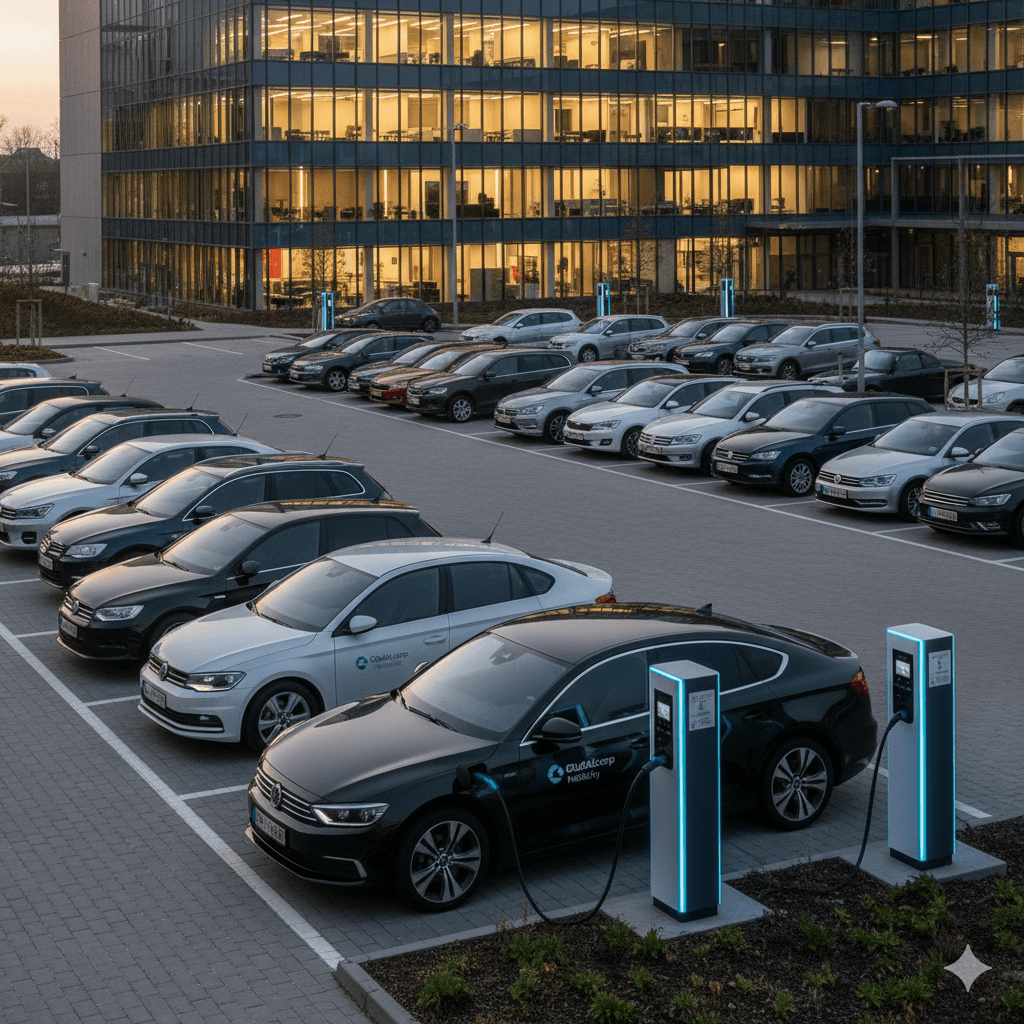
Practical strategies to mitigate mobility cost growth
1. Audit the fleet and optimise vehicle mix
Any change should start with an audit of the current fleet:
- Identification of the highest consuming vehicles,
- reassessing the use of large SUVs and vans,
- splitting vehicles by type of trips (urban, motorway, mixed),
- analysis of annual mileage and utilisation.
Based on the audit, the company can decide to gradually replace part of the fleet with more fuel-efficient models, hybrids or electric vehicles - often in the form of an operating lease or long-term rental.
2. Business travel policy and vehicle usage rules
The company policy should clearly define:
- who is entitled to which vehicle,
- whether private use is allowed and to what extent,
- preferred types of travel (train vs. car for long journeys),
- refuelling rules (verified service stations, fuel cards),
- rules for charging electric vehicles.
A good business travel policy can save a significant percentage of costs without limiting business.
3. Telematics, monitoring and driver education
Modern fleet solutions make it possible to monitor:
- Driver driving style (hard acceleration, braking),
- inefficient routes and frequent empty journeys,
- average consumption in real time,
- adherence to service intervals.
Together with regular driver education - economical driving, route planning, use of cruise control - this is one of the cheapest and most effective tools to reduce fuel costs.
4. Mix of drives in the fleet
Instead of an "either-or" approach (internal combustion only, electric only), a mixed model is preferable for most companies:
- Combustion vehicles for long-haul and logistics,
- hybrids for mixed routes in high-mileage companies,
- electric vehicles for urban and regional transport, service delivery and short routes.
Thanks to operating leases and flexible rentals, this mix can be changed gradually as fuel and electricity prices evolve.
Trends in corporate mobility: from ownership to mobility as a service
Rising energy prices are also accelerating a broader trend in mobility: the shift from car ownership to Mobility-as-a-Service (MaaS). Companies are increasingly opting for a combination rather than buying vehicles:
- operating leasing,
- long-term leasing,
- short-term rental during peak periods,
- or even carsharing.
The main advantage is that instead of high one-off investments and risks, companies have predictable monthly costs and the ability to react quickly to changes in fuel prices, electricity prices or legislation.
How Payless can help businesses manage rising energy prices
The PAYLESS brand in Slovakia covers both short and long term rental of cars and commercial vehicles. For companies that want to keep costs under control, it offers:
- Payless Car Rental - short-term rentals for surge needs, projects or seasonal peaks.
- Payless GIGARent - medium and long term rentals with no commitment for years, suitable for companies that don't want to own the vehicles.
- Payless Car Lease - operating lease with services included in the monthly payment.
All solutions share a common goal: to allow companies predictable costs, flexibility and lower risk in an environment of rising fuel and electricity prices.
Frequently Asked Questions (FAQ)
How much does the rise in fuel prices impact a company's fleet budget?
Even a relatively small increase in fuel price can mean thousands or tens of thousands of euros extra per year for a larger fleet. It depends on the number of vehicles, average consumption and annual mileage.
Is it worth switching to electric vehicles when electricity prices are also rising?
In most cases, yes, but not automatically. You need to calculate the TCO of specific models, take into account the charging method (own infrastructure vs. public charging) and the realistic driving profile. EVs are most advantageous in urban and regional operations.
Is it better to own the cars or use an operating lease?
At a time of rising energy prices and uncertain legislative developments, operating leases and long-term rentals have the advantage of not transferring risk to the company. It gains fixed monthly costs and flexibility in replacing vehicles.
How quickly can we adjust the fleet if fuel prices change significantly?
With owned vehicles, change is slower and more costly (sales, new purchases). With operating leases and rentals (e.g. Payless GIGARent), you can adjust the fleet incrementally as contracts end or even at short intervals depending on the terms.
What mix of drives is ideal for a corporate fleet?
There is no universal answer. But for most companies, a mix of internal combustion cars, hybrids and electric vehicles is preferable - depending on the type of journeys, mileage and charging options. The key is to match the fleet to real needs, not individual preferences.
Summary
- Fuel and electricity prices are one of the biggest variables in the cost of corporate mobility.
- Companies should regularly analyse consumption, mileage and fleet composition and work with energy price scenarios.
- Operating leases and flexible long-term rentals transfer some of the risk from the firm to the provider and increase the predictability of costs.
- Combining different types of drives (combustion, hybrid, electric) helps to optimize TCO.
- PAYLESS offers mobility solutions as a service that enable companies to respond to rising fuel and electricity prices without large one-off investments.
Keywords and entities
Main keywords:
- Fuel prices
- electricity prices
- company costs
- corporate mobility
- operating expenses
Related keywords and entities:
- TCO (Total Cost of Ownership)
- operating lease
- long-term lease
- Payless Car Rental
- Payless GIGARent
- Payless Car Lease
- fleet management
- company fleet
- electric cars
- hybrid vehicles
- internal combustion vehicles
- charging infrastructure
- business travel policy
- Telematics
- Mobility as a Service (MaaS)
Conclusion: Make rising energy prices an opportunity, not a threat
Rising fuel and electricity prices are a reality that individual companies cannot control. What they can control, however, is the way they manage their mobility. Instead of tying up capital in vehicles and bearing all the risks, you can move to a model where cars are a service - with predictable costs and flexibility.
To find out how your costs would change if you switched to operating leases or flexible long-term rentals, contact the PAYLESS team. Together, we will prepare a simple TCO calculation and design a solution tailored to your business.
Contact us via the Payless website (paylesscar.sk, paylesscar-gigarent.sk, paylesscar-lease.sk) to arrange a no-obligation consultation on optimising your corporate mobility.