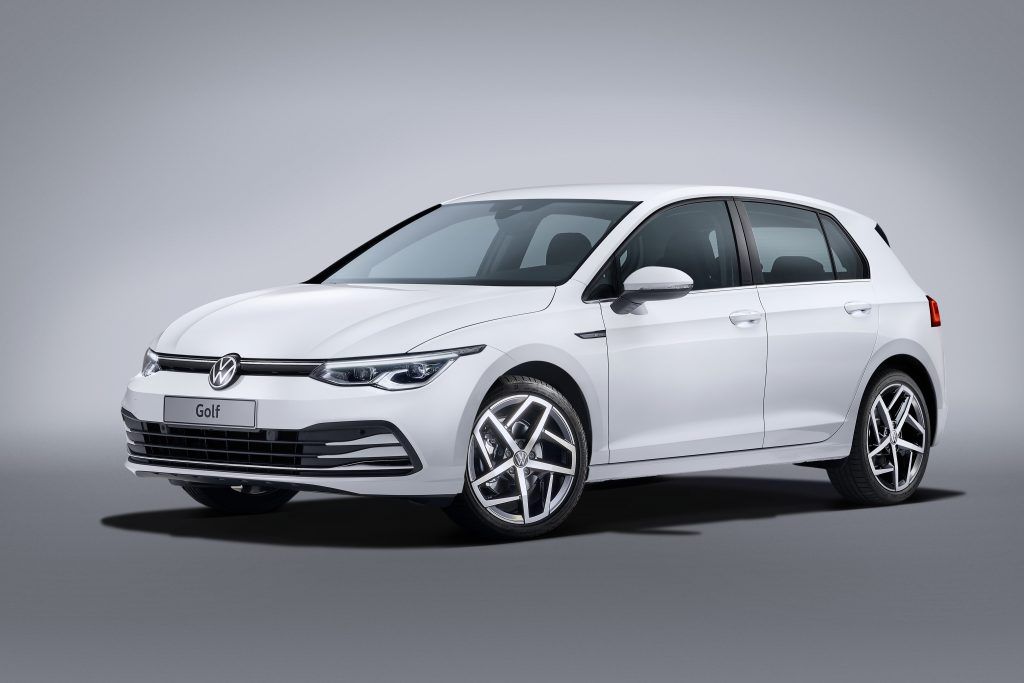
History of the Volkswagen Golf
We bring you the second part of a series of interesting facts about car badges, which you can also find in our offer.
In the following article we will show you the history of one of the most popular cars in Slovakia, the Volkswagen Golf.
The Volkswagen Golf is Volkswagen's most important model and is one of the world's best-selling cars ever. The name Golf is derived from the German term for the Golf stream. In the US, the first and fifth series were sold under the name Rabbit - Hare.
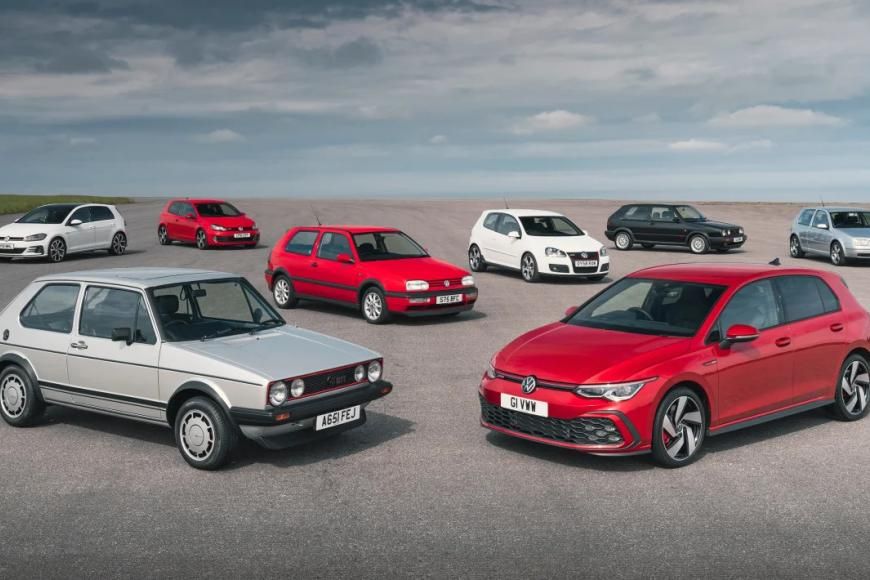
The first generation Golf
Around 6.8 million units of the first generation were produced. It was first introduced in May 1974 as the successor to the famous Beetle. The Golf also used components from Audi and its design came from Italy. The car was basically powered by a four-cylinder 37 kW engine.
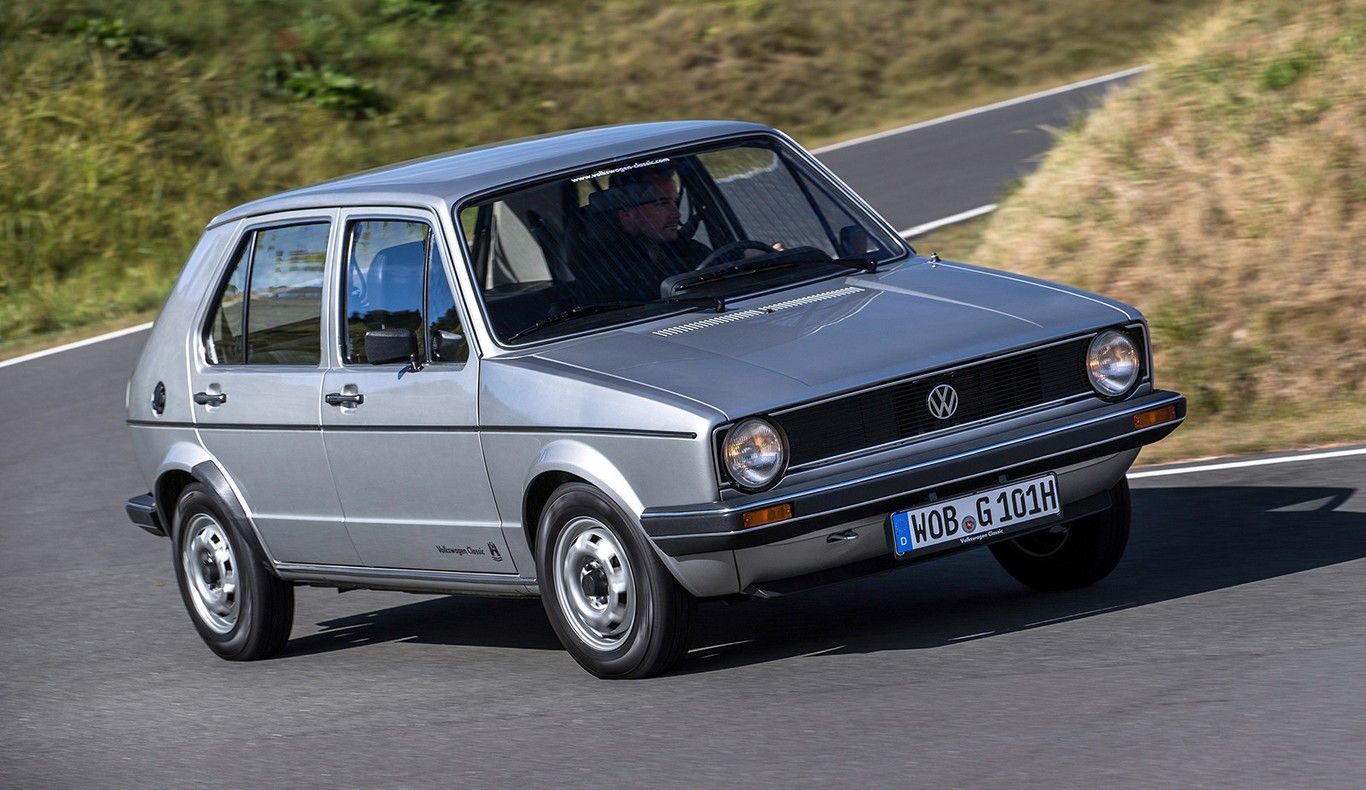
The second generation
The second Golf appeared in August 1983, at a time when Volkswagen was reeling from the economic crisis, to help the carmaker out of the situation. The aim was to increase interior space, especially for rear passengers, and to reduce fuel consumption. But the classic shapes were to be retained. The car was made 120 kg heavier. The second generation is also famous for the first appearance of turbo power.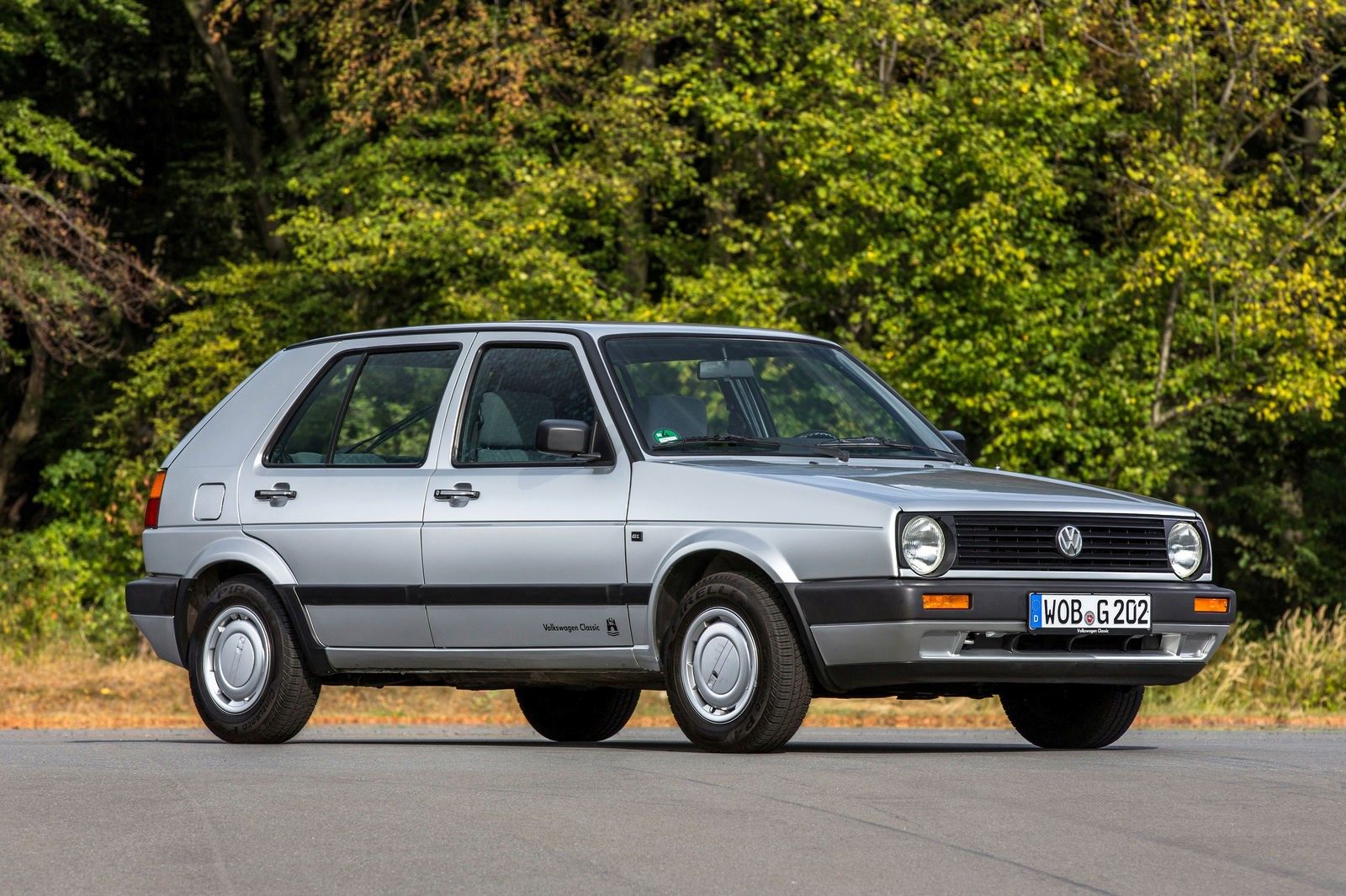
The third generation
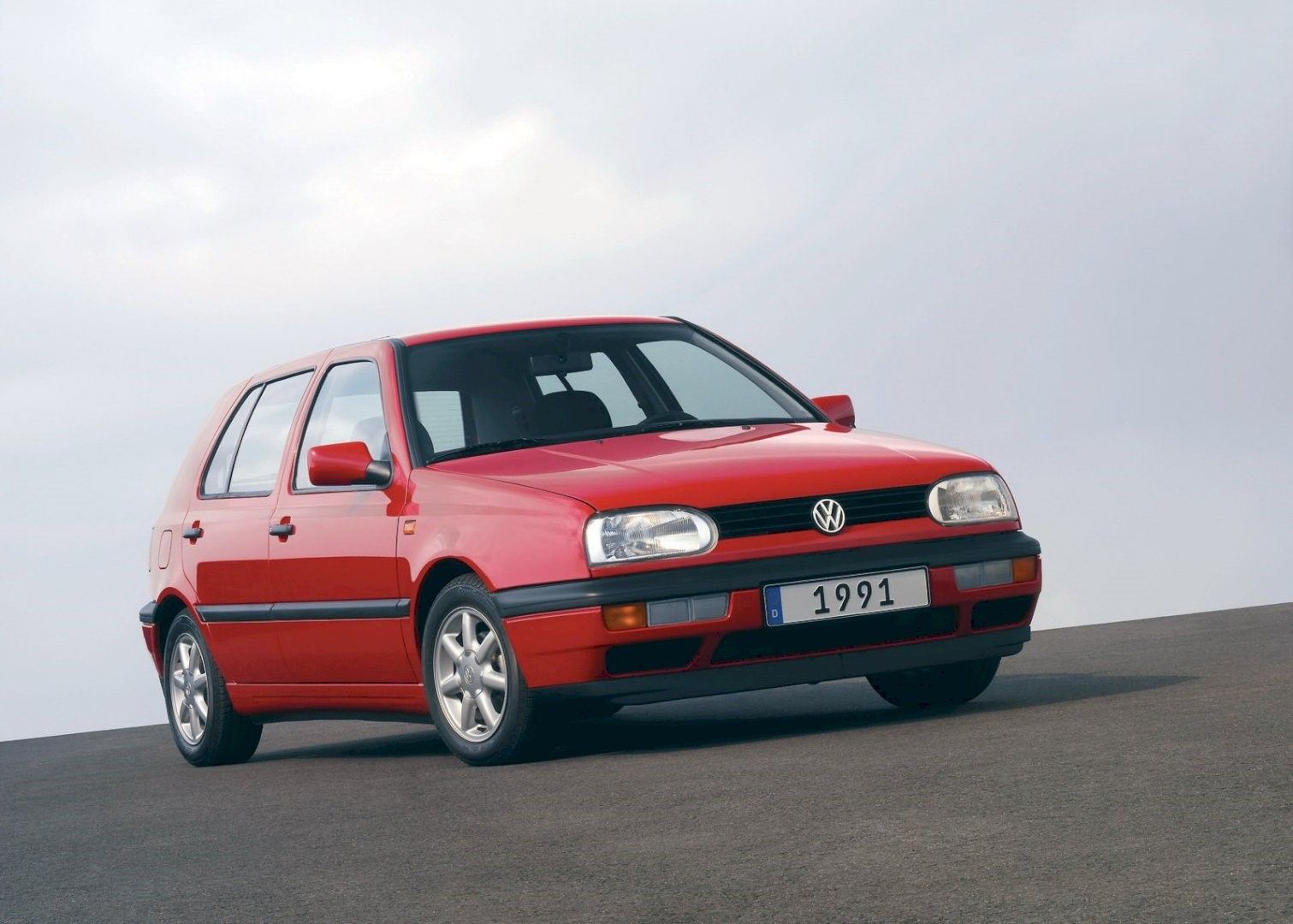
The third generation was produced between 1991 and 1997. This generation won the prestigious title of 1992 Car of the Year. In 1993, cabrio and 4x4 versions of the Syncro also appeared. This generation made progress especially in terms of safety. Driver and passenger airbags appeared. The round headlights, typical of the Golf up to that time, also disappeared when their shape was stylistically modified into an oval.
In the early 1990s, Volkswagen also sponsored several rock band tours of Europe. This included the Pink Floyd Edition (1994), Rolling Stones Edition (1995) and Bon Jovi Edition (1996) Golfs.
Fourth generation
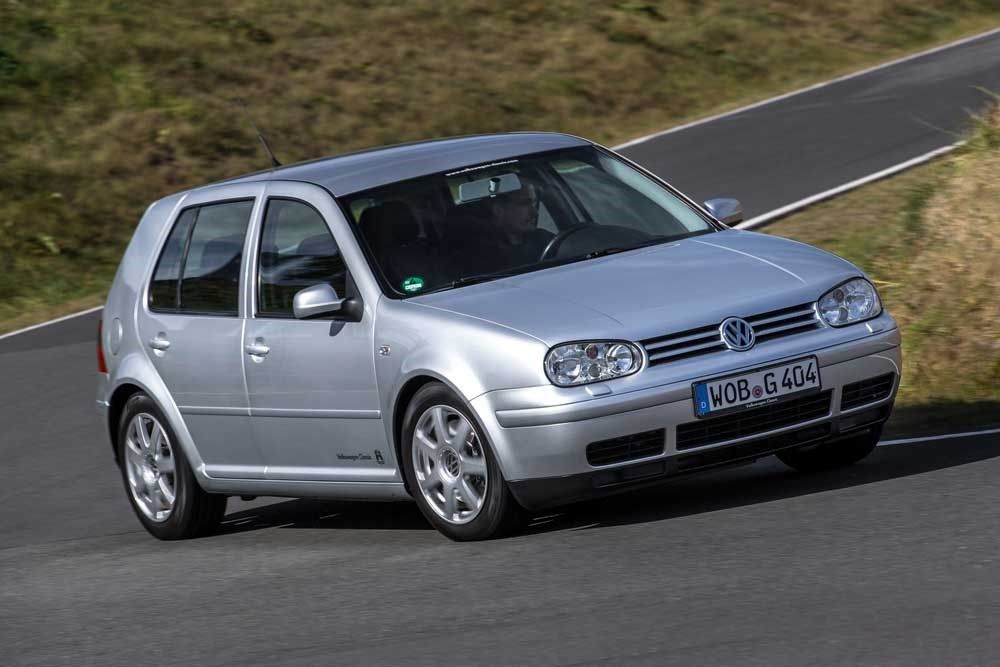
Production of the model began in October 1997 with the internal designation "1J" and just a year later it became the best-selling car in its class. 4.3 million units were produced. Compared to its predecessor, it has grown again. The exterior design was modified, but still followed the previous generation slightly.
Production of the hatchback model ended in 2004, the Variant model ended in 2006. Production of the hatchback continued for the South American, Mexican and Chinese markets until 2010 under the Golf City name.
Fifth generation
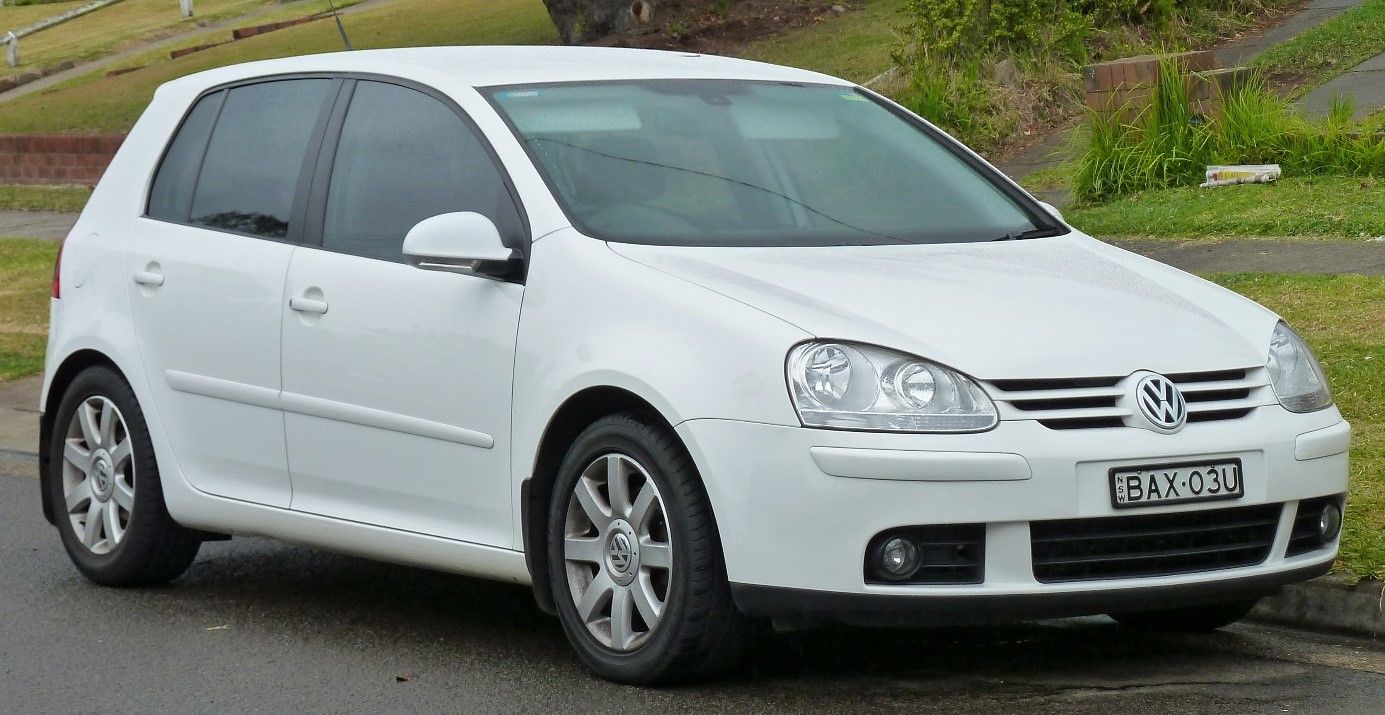
The fifth-generation Volkswagen Golf was produced from 2003 until 2008, when it was replaced by the sixth generation. It was first unveiled at the 2003 Frankfurt Motor Show. The town of Wolfsburg, where the Golf is produced, was renamed Golfsburg for one week to celebrate the launch of the new generation.
A smaller MPV called the Golf Plus was also derived from the fifth generation. In addition to the sporty GTI version, there is also an R32 variant, which has all-wheel drive compared to the GTI. The R32 version has a power output of 184 kW, a top speed of 250 km/h (155 mph) and the vehicle accelerates to 100 km/h (62 mph) in six and a half seconds.
The car has been equipped with an automatic parking system, reversing camera or panoramic roof. The highest Exclusive trim is based on the Highline trim. It had a sports chassis, seventeen-inch alloy wheels, heated seats and leather interior features. The basic equipment included six airbags, ESP, air conditioning, a CD radio with the ability to play mp3 files, remote central locking, electric windows and a height-adjustable driver's seat.
Sixth generation
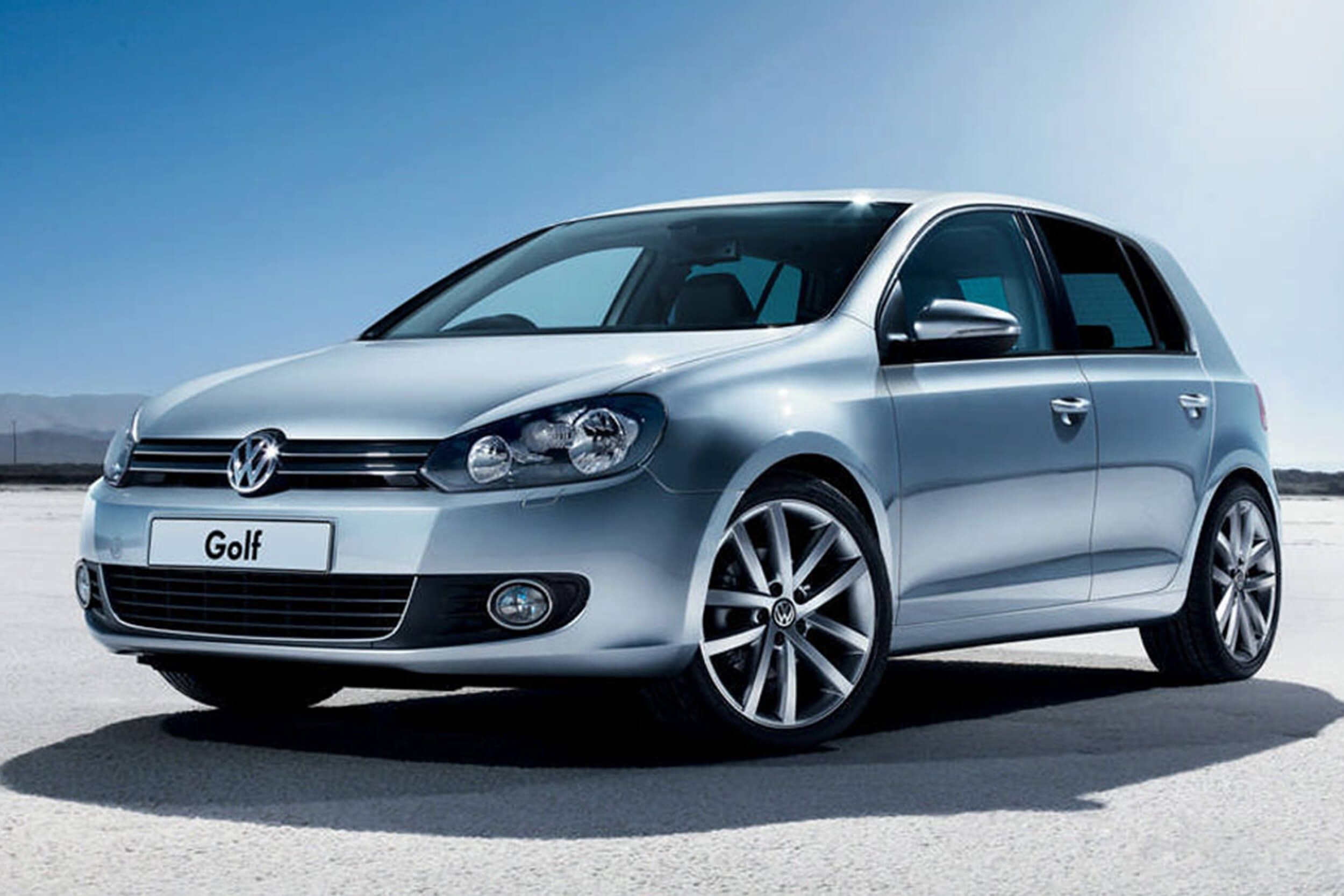
The Volkswagen Golf VI was produced from 2008 to 2012. Sales began in January 2009. It is built on the platform of the previous generation. It was first unveiled at the Paris Motor Show.
The design, created by Walter de Silva, draws on the legacy of the first four generations and the third generation Scirocco. It was intended to be cheaper to produce and thus win over customers. It went on sale in January 2009. Development was concentrated on keeping production costs as low as possible. For the first time, air conditioning came as standard. The sixth generation passed the Euro NCAP test in 2008 with five stars and achieved the same result in 2009 using the new test methodology. In April 2009, the sixth-generation Golf was awarded World Car of the Year.
The sixth generation was not introduced in the United States until 2010. Two engines were offered: a 2.0 TDI turbodiesel with 103 kW and a 2.5-litre five-cylinder petrol with 125 kW.
The seventh generation
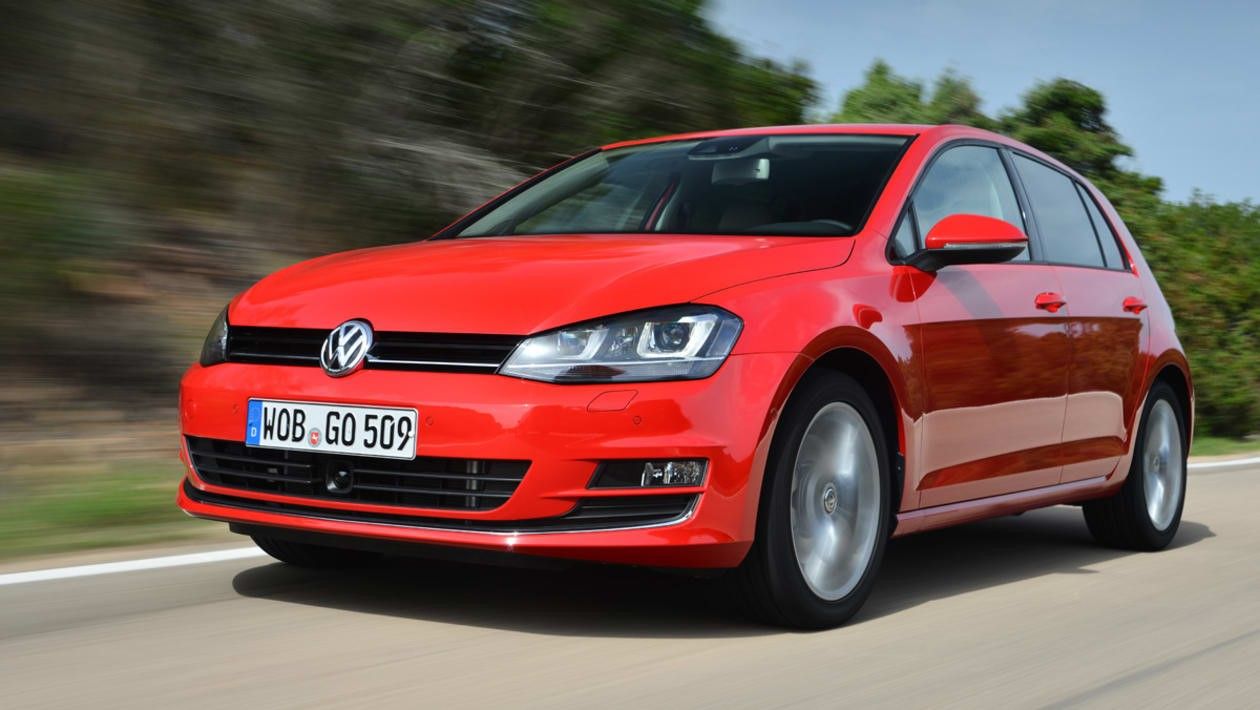
Production of the three-door and five-door hatchback began on 6 August 2012 in Wolfsburg and was produced until 2020. The car was officially unveiled on 4 September 2012 in Berlin.
The appearance of the car is not fundamentally different from the previous generation, only minor modifications have been made. However, the technology has changed even more. Unlike the previous generation, the car is built on a new modular platform, which Volkswagen has also started to use in other vehicles.
In 2017, the seventh-generation Golf underwent a facelift, which, in addition to minor visual changes to the front of the car, added a new 1.5 TSI Evo engine to the range, with 96 kW, or 110 kW in the more powerful variant.
In addition to the production model, the Golf is also on sale in a 4x4 version - 4Motion - and the high-performance versions GTI, GTI Performance, GTD and Golf R. The Golf is also offered in a station wagon body variant as the Variant, in an enlarged hatchback variant as the Golf Sportsvan and also in a light off-road version as the Golf Alltrack.
Eighth generation
The eighth generation was not revealed at any major motor show, apparently due to technical problems, but only on 24 October 2019 in Wolfsburg. It is based on the upgraded MQB platform from the 7th generation. The short front end with lower headlights significantly changes the styling of the car and is more suited to the estate version, which for the first time has a longer wheelbase than some rivals. The three-door version and Sportsvan are not produced due to poor sales.
Compared to the previous generation, LED lights or a digital instrument cluster are already standard in the newly arranged interior. Also new are the engines offered, such as the 2.0 TDI 85kW or the mild hybrid eTSI.
The Volkswagen Golf Variant can also be found in our offer.